Mold Remediation in Missouri City, TX — The Citywide Guide
Missouri City sits in one of the most humid corners of the country, and that single fact drives nearly every mold problem here. This is the hub for everything local: why mold takes hold across 77459 and 77489, which neighborhoods carry residual flood risk, and how to reach a certified crew for your specific community.
One City, Two ZIP Codes, and a Climate That Keeps Mold Coming Back
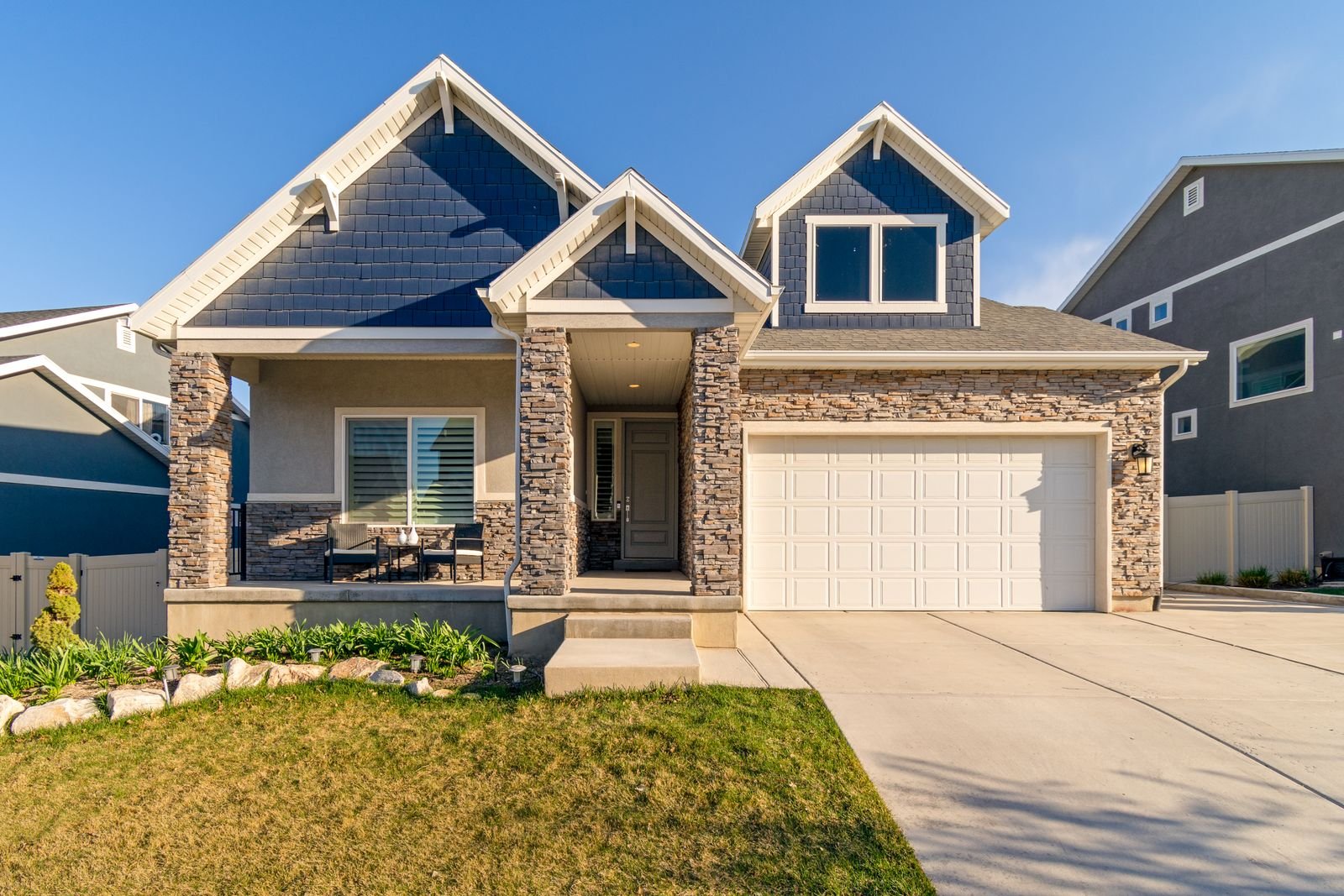
Missouri City is a Fort Bend County suburb that stretches across two ZIP codes — 77459 to the south and west, and 77489 to the north and east — and the mold challenges differ subtly from one side of the city to the other. What stays constant is the underlying physics. This is a Gulf Coast city where the outdoor air carries a heavy moisture load for most of the year, where major flood events have left their mark, and where a housing stock that ranges from brand-new master-planned communities to subdivisions built decades ago all share the same vulnerability to hidden water. When moisture finds its way into a wall cavity, an attic, or the space under a pier-and-beam floor, mold follows quickly.
This page is the local hub for mold remediation in Missouri City. Rather than repeat the full how-it-works guide, it focuses on the things that are specific to this city: the humidity that drives recurrence, the flood history that left residual mold in homes that were never fully dried, the ZIP-code framing that defines our coverage, and the neighborhoods we serve. Each community has its own page with details that matter to homeowners there, and you can jump straight to yours below or browse the complete list on our service areas page. Whatever part of the city you live in, the work follows the same standard and starts with the same free phone call.
Gulf Coast Humidity Makes Mold a Question of When, Not If
Greater Houston and Fort Bend County run roughly 74% ambient relative humidity across the year. That recurring moisture load is the single biggest reason mold is so persistent in Missouri City — the air itself supplies the dampness a colony needs, so any small leak or ventilation gap becomes an opportunity.
The Ambient Moisture Load
With outdoor humidity near 74% for months at a time, indoor relative humidity drifts upward unless it's actively managed. Mold slows below 60% and the target range is 30–50%; left unchecked, the air does the watering for you.
The 24–48 Hour Window
Mold growth begins 24 to 48 hours after water intrusion when moisture isn't fully dried. In this climate the clock runs fast and a small drip can seed a colony inside a wall before anyone smells it.
Mixed Housing Stock
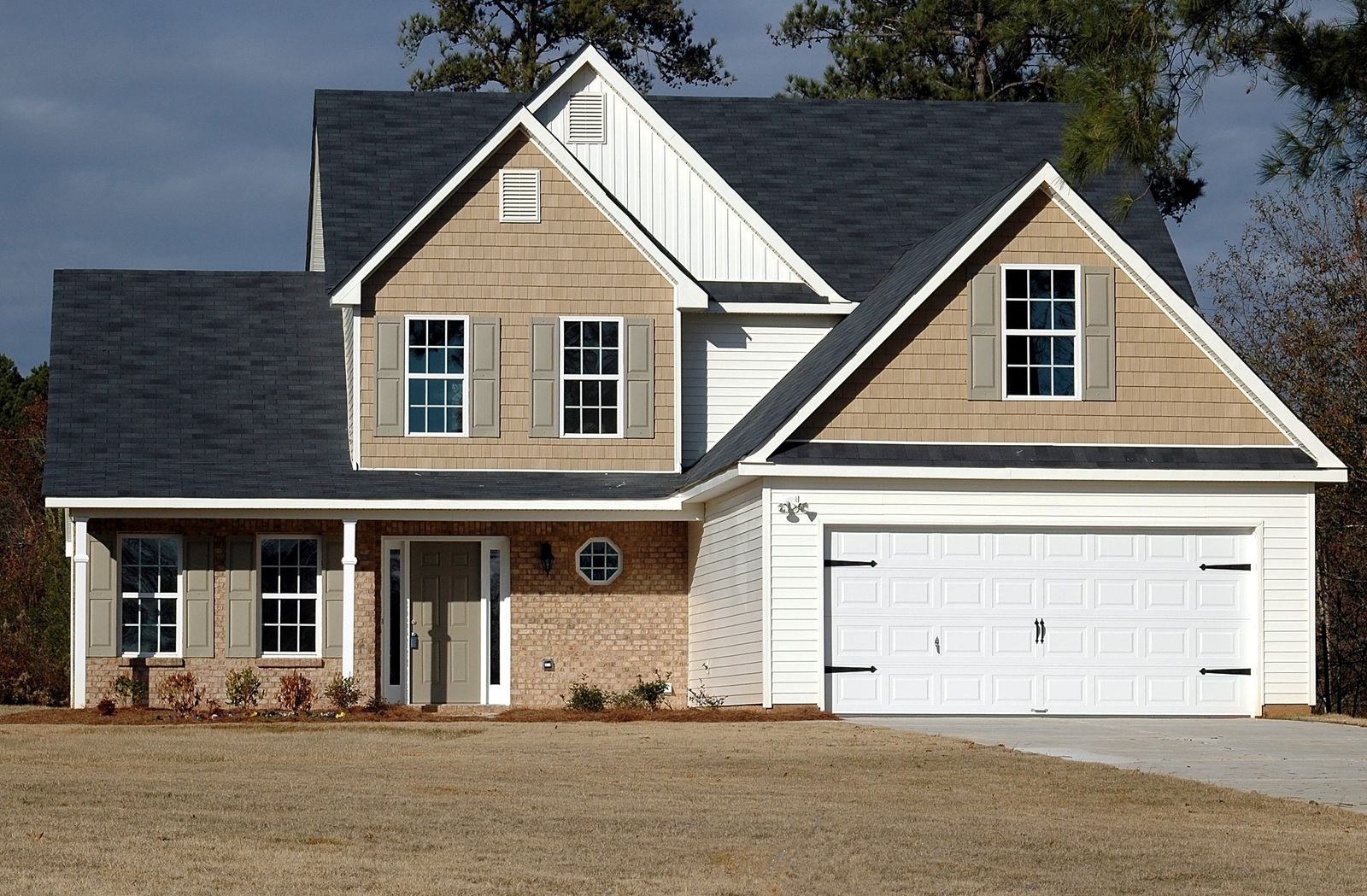
From the tight, modern building envelopes of Sienna and Riverstone to the older roofs and plumbing of Quail Valley and Hunters Glen, every construction era has its own way of trapping moisture.
Harvey, Oyster Creek, and the Mold That Got Left Behind
You cannot talk about mold in Missouri City without talking about water. Hurricane Harvey in 2017 pushed flooding into neighborhoods across the city, and the communities along the lakes and the creek — Riverstone, Lake Olympia, and Quail Valley among them — took on water in homes that, in many cases, were dried out afterward with household box fans and a shop vac. That approach pulls the standing water out, but it almost never dries the inside of a wall cavity or a subfloor fast enough to beat the 24-to-48-hour mold window. The result, years later, is a faint musty smell that never quite goes away, and a family that keeps getting mild respiratory symptoms with no obvious cause. The mold is there; it's simply behind the drywall where a box fan never reached.
Oyster Creek runs through the central part of the city and is the other piece of the picture. Homes in and around its 100-year and 500-year floodplain carry a recurring exposure: even a heavy rain event that falls short of a named hurricane can saturate a yard, push moisture into a slab or a crawl space, and start the cycle again. That's why residual and recurring mold is one of the most common things we're called about here — not a single dramatic flood, but the slow accumulation of moisture events in a home that was never fully dried the first time. If your home flooded during Harvey or any of the storms since, and especially if it was dried without professional equipment, it is entirely reasonable to suspect that some of that moisture never left. A proper inspection looks inside the cavities and under the floors where DIY drying can't reach, and our mold remediation approach treats every one of these as a moisture problem first. Wherever the water came from, the fix is the same order of operations: find the source, contain the area, remove what grew, dry the structure back to normal, and verify the result before closing it up.
What 77459 and 77489 Mean for Your Coverage
Missouri City is covered by two primary ZIP codes, and knowing which one you're in helps set expectations. The 77459 ZIP covers the southern and western half of the city — this is where the large master-planned communities sit, including Sienna, Riverstone, Lake Olympia, Colony Lakes, and Vicksburg. The 77489 ZIP covers the northern and eastern half, taking in established family neighborhoods such as Hunters Glen, Meadowcreek, Briargate, and the pockets around Buffalo Run. Quail Valley, the city's first large subdivision, straddles the area between them. Both ZIPs sit entirely within Fort Bend County, which keeps the regulatory and climate picture identical across the city even as the housing styles change from one neighborhood to the next.
For mold work, the practical takeaway is that we serve both ZIPs in full as a service-area business — we come to your home rather than asking you to bring anything anywhere, and there's no street address to visit. Whether you're in a newer 77459 community with a tight, modern building envelope that traps humidity, or an older 77489 neighborhood where wall cavities and original plumbing deserve a closer look, the same TDLR-licensed crew and the same IICRC S520 process apply. The county-wide humidity and flood exposure don't stop at a ZIP boundary, and neither does our coverage.
Find Your Missouri City Community
These are the strongest neighborhood hubs across the city. Jump to yours for local detail, or see every area we cover.
Sienna
Missouri City's largest master-planned community along Sienna Parkway and Highway 6, with newer homes and tight building envelopes that hold humidity in. Sienna mold guide →
Riverstone
A luxury lakeside community in 77459 that took on water during Harvey, where residual cavity mold and HVAC condensation are common triggers. Riverstone mold guide →
Lake Olympia
A lakefront community entirely within 77459 off Lake Olympia Parkway, where waterside humidity raises the stakes on ventilation and drying. Lake Olympia mold guide →
Quail Valley
The city's first large subdivision, with roughly 4,000 homes and a golf course — older plumbing and roofs that warrant a careful moisture inspection. Quail Valley mold guide →
Hunters Glen
An established 77489 family community within FBISD, where decades-old construction calls for close attention to wall cavities and attics. Hunters Glen mold guide →
Colony Lakes
A gated 77459 community off Highway 6 and Fort Bend Parkway, served in full for mold inspection, removal, and certified remediation. Colony Lakes mold guide →
Vicksburg
A well-kept established subdivision in 77459 covered for attic, crawl space, and interior mold remediation the IICRC S520 way. Vicksburg mold guide →
Meadowcreek
An established family neighborhood in 77489 served for the full range of mold inspection, testing, and remediation. Meadowcreek mold guide →
Buffalo Run
A family pocket near Buffalo Run Park in 77489, covered for residential mold inspection and certified remediation. Buffalo Run mold guide →
Live along one of the city's main corridors? We also cover the Highway 6 corridor and the Sienna Parkway corridor — or browse them all.
See All Service AreasEvery Neighborhood in 77459 & 77489
We're a service-area mold remediation company covering the whole city — from the master-planned communities along Sienna Parkway to the established subdivisions north of Highway 6. Tap a neighborhood to read its local guide, or call to confirm coverage for your exact street.
The Standard Behind Every Missouri City Job
Mold work in Texas is regulated by the Texas Department of Licensing and Regulation, and the rules exist to protect homeowners. A Mold Remediation Contractor performs the remediation, and on any project larger than 25 square feet a separate Mold Assessment Consultant handles the assessment and the final clearance — the company doing the work shouldn't be the one grading its own homework on a large job. We work inside that framework everywhere in the city, follow the IICRC S520 standard of care, coordinate third-party clearance with accredited labs, and provide the documentation your insurer or a future buyer will ask for. Every job in 77459 and 77489 starts with a free phone estimate, and the same source-first process applies whether the call comes from a new Sienna build or a fifty-year-old home in Quail Valley.
Missouri City Mold Questions, Answered
A few citywide questions homeowners ask — answered straight.
Mold Somewhere in Missouri City? Start Here.
One call connects you with a certified, IICRC S520 crew that knows this city — 77459 and 77489, master-planned or established. Free estimate, clearance documentation, no pressure.
(713) 325-6192Call for a Free Estimate