Mold Removal in Missouri City, TX — Taken Out Safely, Not Painted Over
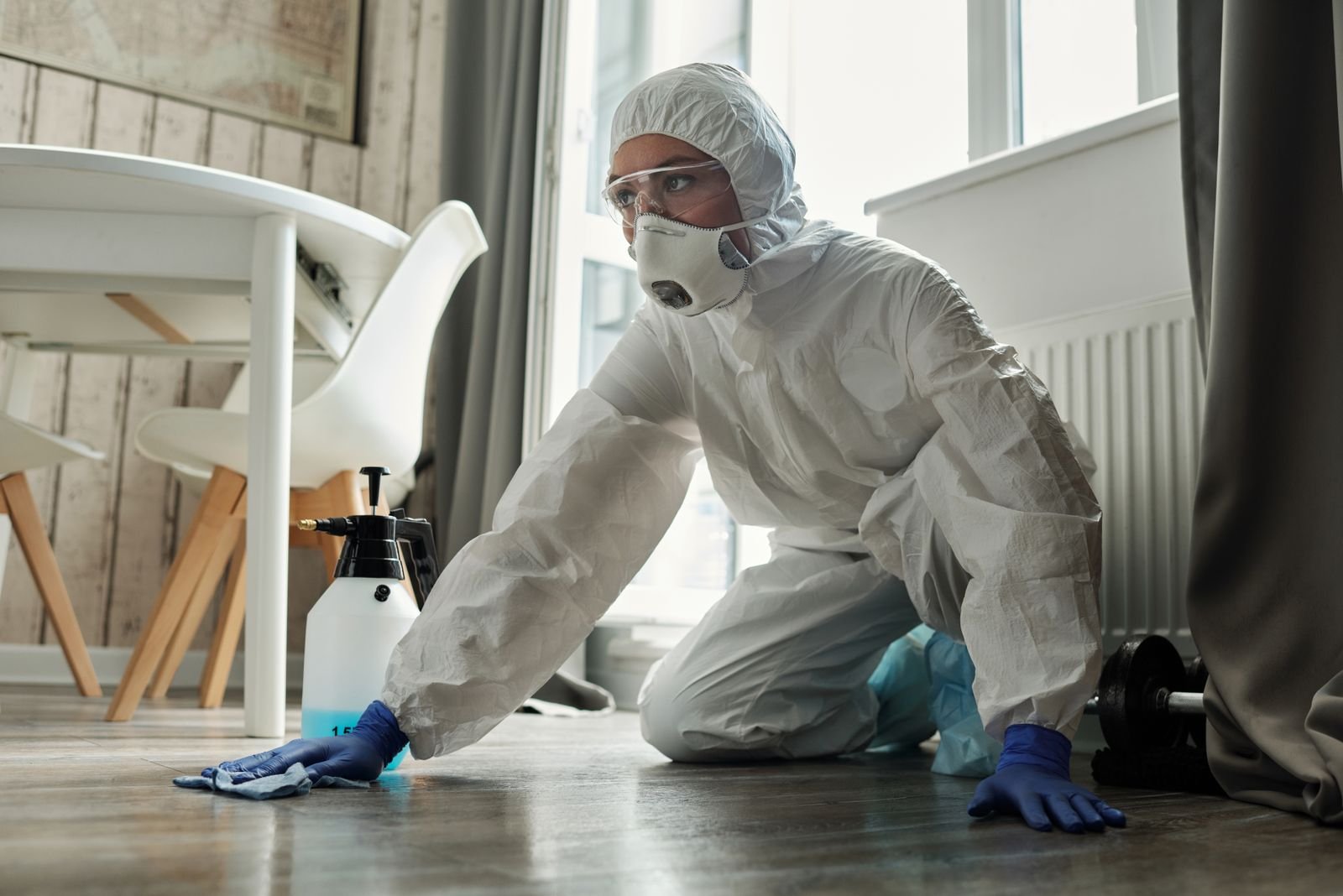
Mold removal is the hands-on step: physically taking out the contaminated material and spores at the source, under containment, so nothing spreads to clean rooms. Drywall comes out, surfaces are HEPA-cleaned, and the area is dried — a real removal, not a coat of paint over a stain. Serving all of 77459 and 77489.
What's the Difference Between Mold Removal and Mold Remediation?
People use these two words as if they're the same, and for a small job they nearly are — but there's a real distinction worth understanding before you hire anyone. Mold removal is the physical step: the hands-on extraction of mold-contaminated materials and spores at the source, carried out under containment so the work doesn't spread the problem. It's the part where the moldy drywall actually comes out of the wall and into a sealed bag. Mold remediation, on the other hand, is the full managed process that surrounds that removal — inspecting and finding the moisture source, building containment, removing the mold, HEPA-cleaning the air and surfaces, drying the structure, and verifying the result before the containment comes down.
Put simply: removal is one critical stage; remediation is the whole sequence done in the right order. The reason this matters to a homeowner is that “removal” on its own can be sold as a quick rip-and-replace that ignores the water still feeding the mold — and within weeks the colony grows right back. Honest mold removal in Missouri City never happens in isolation. We remove the contaminated material as part of a process that fixes the moisture and proves the air is clean, because pulling out drywall without addressing the cause just buys you a few months before the same problem returns. Removal that lasts is removal done inside the larger remediation framework.
How Mold Is Physically Removed — Step by Step
A controlled removal protects the rest of your home while the contaminated material comes out.
- Stop the moisture and contain the area. Nothing is removed until the water source is identified and the work area is sealed off with 6-mil polyethylene sheeting and a negative-air machine holding the space at slight negative pressure, so spores flow into the containment instead of out into clean rooms.
- Remove the contaminated porous materials. Drywall, insulation, carpet pad, and similar porous materials that have been colonized are cut out and bagged inside the containment. These can't be reliably cleaned, so they come out at the source.
- HEPA-vacuum every surface. The remaining structure and surfaces are vacuumed with HEPA-filtered equipment that captures at least 99.97% of particles down to 0.3 microns — well below the 4-to-20-micron size of mold spores.
- Wet-wipe with antimicrobial. Non-porous surfaces are wiped down with an antimicrobial agent to address residual spores on materials that are staying in place, like framing, tile, and metal.
- Dry the structure. The framing and remaining materials are dried back to a normal moisture content with commercial equipment, because leftover dampness is an open invitation for the colony to return.
Can Mold Be Removed Without Removing Drywall? It Depends on the Material
One of the most common questions is whether the drywall really has to go. The honest answer is that it depends entirely on whether the material is porous, because porosity decides what can be cleaned and what must be removed.
- Porous materials are removed. Drywall, insulation, carpet, ceiling tile, and the like absorb water and let mold root deep into the material — cleaning the surface leaves the colony behind, so these are taken out.
- Non-porous materials are cleaned. Framing lumber, tile, glass, metal, and sealed surfaces don't absorb mold the same way and can usually be HEPA-cleaned and treated in place rather than demolished.
- Only what's contaminated comes out. A good crew removes the affected material and no more — over-tearing-out is its own kind of upsell, and honest removal is conservative.
So if the mold is confined to non-porous surfaces, the drywall may well stay. If the drywall itself is colonized, it comes out — but only the contaminated section. A mold inspection is what defines exactly which materials are affected before any cutting starts.
Ask What Needs to Come Out
Is It Safe to Remove Mold Yourself? The 10-Square-Foot Rule
There's a widely cited guideline from the EPA that gives a clear, practical line: a small patch of mold — under about 10 square feet, roughly a 3-by-3-foot area — can often be handled by a homeowner with proper precautions. Anything larger than that calls for professional removal with the right protective equipment and containment. That threshold exists because of how mold behaves when you disturb it: scrubbing or cutting into a colony releases a burst of spores into the air, and on a larger area that exposure becomes both a health risk to you and a contamination risk to the rest of the house.
Beyond the size, there are situations where you should not attempt removal yourself regardless of the square footage: if the mold is suspected to be black mold, if it returned after you already cleaned it, if it followed sewage or contaminated water, or if anyone in the home has asthma, allergies, or a compromised immune system. Professionals bring negative-air containment, HEPA filtration, the correct personal protective equipment, and — just as importantly — the experience to find and fix the moisture source so the removal actually holds. A DIY scrub on a big colony usually scatters spores, misses the cause, and leaves you calling a pro anyway a few months later. When in doubt, the safe move is a phone call before you touch it.
What Drives the Cost of Mold Removal
There's no honest flat rate for mold removal because no two jobs are the same, but the price is driven by a short list of factors you can understand up front. The single biggest variable is the material involved and how much of it is contaminated. Removing and cleaning a contained section of a non-porous bathroom wall is a modest job; cutting out colonized drywall and insulation across a whole room, bagging it, and drying the cavity is a larger one. Square footage compounds this directly — more affected area means more material, more labor, and more containment.
The second major driver is whether reconstruction is needed afterward. Removal takes the moldy material out; if that leaves a hole where drywall used to be, the rebuild is a separate line of work that adds to the total. Access matters too — mold in a tight attic or a low pier-and-beam crawl space is harder and slower to reach than mold on an open wall. And the mold type plays a role: a job that requires the enhanced containment and protective equipment of black-mold work costs more than a routine removal. Because all of these vary, we scope every job with a free estimate before quoting a number. Call (713) 325-6192 or browse our full mold services to see how removal fits the larger picture.
Mold Removal in Missouri City — Why the Source Always Comes First
Missouri City's climate makes mold removal a moisture problem before it's a material problem. With outdoor humidity averaging around 74% for much of the year, and a housing stock where many homes in Riverstone, Lake Olympia, and Quail Valley were dried with household fans after Hurricane Harvey, the mold a crew removes is almost always the visible end of a moisture issue that runs deeper. Pull out the drywall without fixing what wetted it — a leak, condensation, or chronic humidity — and the new drywall will grow the same colony. That's why we treat every removal as the remediation of a water problem, and why we cover every neighborhood across Missouri City with the same source-first approach.
Mold Removal Questions, Answered
A few common questions from Missouri City homeowners — answered straight.
Mold That Needs to Come Out for Good?
We remove the contaminated material under containment, HEPA-clean the air, fix the moisture, and dry it right — so it doesn't grow back. Tell us about your Missouri City home.
(713) 325-6192Get the Mold Out the Right Way.
Containment-controlled removal, HEPA cleaning, and a moisture fix that makes it last — with a free phone estimate. Talk to a certified specialist now.
(713) 325-6192Call for a Free Estimate