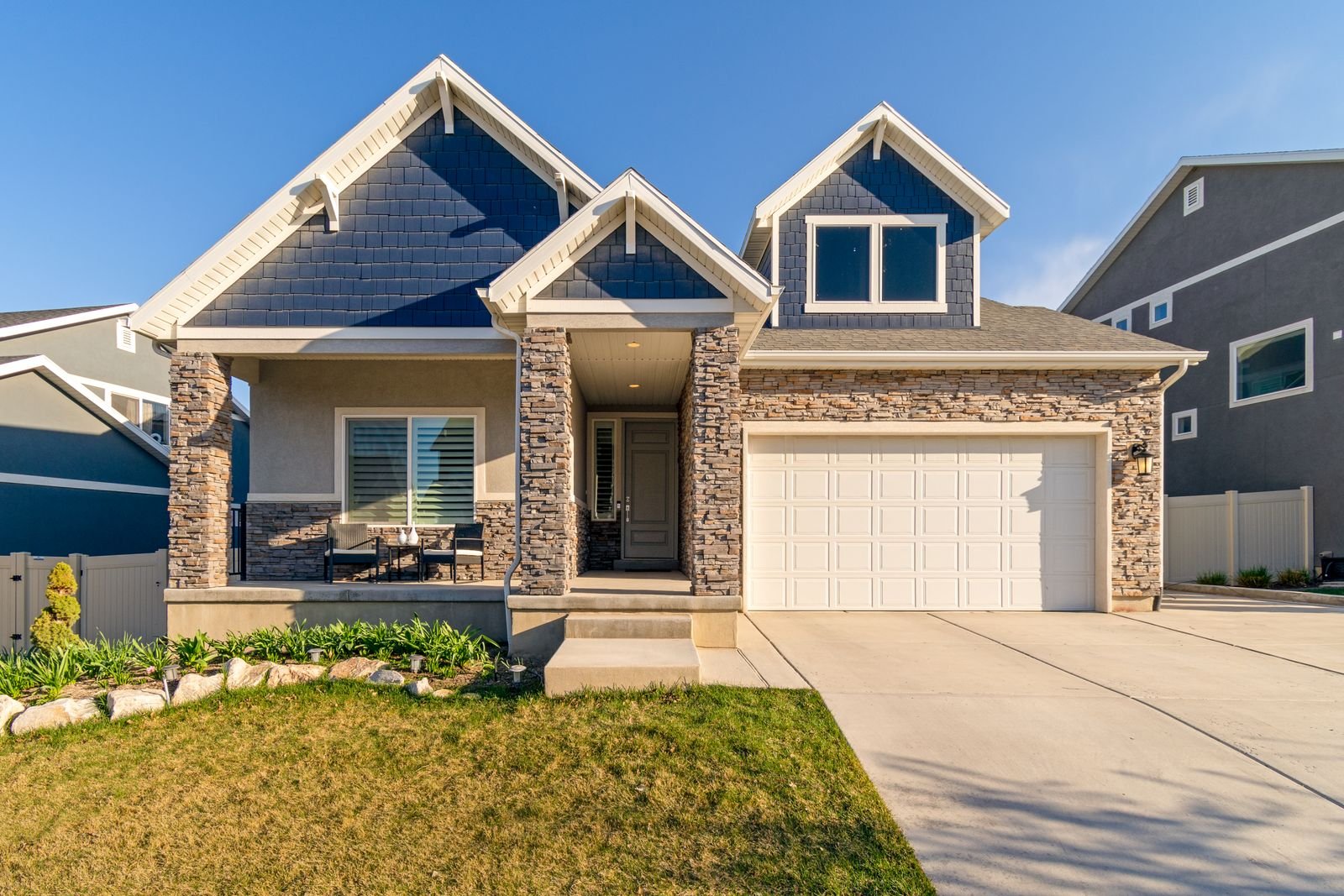
Mold Remediation in Colony Lakes — We Come to Your Gated Home
Colony Lakes and Colony Bend form a gated community off Highway 6 and the Fort Bend Parkway in 77459. A gate doesn't keep mold out — Gulf Coast humidity still drives it into master baths and attics. As a service-area business, we come straight to your Colony Lakes home, find the moisture source, and remediate it to the IICRC S520 standard.
Mold Remediation for a Gated Missouri City Community
Colony Lakes, together with its neighbor Colony Bend, is a gated community in ZIP 77459, set just off Highway 6 and the Fort Bend Parkway on the western side of Missouri City. It's a settled neighborhood of established single-family homes, and like every community on the Gulf Coast, it shares one defining mold challenge: humidity. A gate at the entrance controls who drives in, but it does nothing about the moisture in the air, which is the real driver of mold in homes here. Master baths and attics are the recurring sites, and the region's persistent humidity keeps them active year-round.
This page is the Colony Lakes hub. It explains why mold takes hold in homes here, where it usually shows up, and how we remediate it — including how we get our crew and equipment to your gated home. If you already know you want help, you can go straight to mold remediation in Colony Lakes or call (713) 325-6192 for a free phone estimate. Every job follows the IICRC S520 standard and the Texas TDLR licensing framework.
Why Mold Grows in Colony Lakes Homes
Mold in Colony Lakes is a moisture problem, and the moisture is the climate. Houston and Fort Bend County average roughly 74% ambient relative humidity for much of the year, and that recurring load keeps mold active unless indoor relative humidity is held at 30 to 50%. Once water gets in or the air stays damp enough, mold growth begins within 24 to 48 hours — before most homeowners ever notice.
Master Baths That Don't Vent
A bath with a weak or unused exhaust fan lets shower steam linger, feeding mold on the ceiling, grout, and behind the vanity.
Attics Under a Hot Roof
Humid air rises and gets trapped against the roof decking. Unbalanced ventilation or a small roof leak feeds condensation, and mold grows on the sheathing and rafters.
The 24–48 Hour Window
A drip under a sink or a slow toilet seal can seed a colony inside a wall cavity within two days. Drying fast prevents it; waiting means remediation.
The Mold Problems We See Most in Colony Lakes and Colony Bend Homes
Across Colony Lakes and Colony Bend, the calls cluster around the same humidity-driven scenarios. The most common is master-bathroom mold — a dark bloom creeping across the ceiling above the shower, black spotting in the grout, or a musty smell that won't clear no matter how often you wipe it down. That's humidity mold, and it keeps returning until the moisture and ventilation are addressed rather than just the surface scrubbed. The second is attic mold, often discovered only when a homeowner goes up for storage and notices dark staining on the roof decking or matted, damp insulation; because the attic sits above the living space, that musty air gets pulled down into the bedrooms.
The third pattern is the hidden mold — behind a slow supply-line leak inside a wall, under flooring near the dishwasher or water heater, or on the back of baseboards in a room that always feels a little damp. Whatever the scenario, the fix is the same disciplined process: find and stop the moisture, contain the area, remove what's contaminated, HEPA-clean, dry the structure, and verify. When you're ready to schedule, the scenarios, pricing, and free estimate all live on the mold remediation in Colony Lakes page.
Covering Colony Lakes and Colony Bend, Gate and All
We cover the homes throughout both Colony Lakes and Colony Bend, the paired sections that make up this gated community off Highway 6 and the Fort Bend Parkway. Being gated doesn't change anything for us: as a service-area business, we come to your home anywhere in 77459, so a gate is simply a checkpoint at the entrance, not a barrier to service. We coordinate access on arrival, bring the crew and the containment equipment directly to your door, and work inside the community the same way we work anywhere else in Missouri City.
The Highway 6 and Fort Bend Parkway corridors give us quick, reliable access to the community, which means a prompt response when you call. If you're unsure whether your specific street is covered, a quick phone call settles it — if you're in Colony Lakes or Colony Bend, you're covered. You can also browse all service areas we cover across Missouri City, or step up to the broader mold remediation in Missouri City hub.
What the Mold Remediation Process Looks Like
The same six-step IICRC S520 sequence on every Colony Lakes job, in the right order.
- Inspect and find the source. We map the affected area with moisture meters and thermal imaging and trace it back to the leak, condensation, or humidity driving it — because nothing else holds if the water keeps coming.
- Contain the work area. The space is sealed with 6-mil polyethylene sheeting and held under slight negative pressure (typically −5 to −10 pascals) with a negative-air machine, so spores flow into the containment instead of out into clean rooms.
- Remove and HEPA-clean. Contaminated porous materials come out and are bagged; remaining surfaces are HEPA-vacuumed (99.97% capture at 0.3 microns) and wiped with antimicrobial, and the air is scrubbed.
- Dry the structure. The framing and remaining materials are dried back to a normal moisture content with commercial equipment, because leftover dampness is an open invitation for the colony to return.
- Verify and clear. Post-remediation clearance confirms indoor spore levels match or beat the outdoor baseline before the containment comes down, and we document everything for your insurance.
A TDLR-Licensed Contractor Serving Colony Lakes — With Independent Clearance
In Texas, mold work is regulated by the Department of Licensing and Regulation. A Mold Remediation Contractor (MRC) performs the remediation, and for any project larger than 25 square feet a separate Mold Assessment Consultant (MAC) handles the assessment and the final clearance. That separation protects you — the company doing the work shouldn't be the one grading its own homework on a large job. We work within that framework for every Colony Lakes and Colony Bend home, follow the IICRC S520 standard, and provide the documentation your insurer or a future buyer will want to see. Every job starts with a free phone estimate and an on-site inspection before we quote. Call (713) 325-6192 to talk it through with a certified specialist.
Colony Lakes Mold Questions, Answered
A few common questions from Colony Lakes homeowners — answered straight.
Mold in Your Colony Lakes Home?
Gate and all, we come to you. We find the moisture source, contain the work, remove the mold, dry it right, and verify the air is clean.
(713) 325-6192We'll Meet You at the Gate.
Certified, IICRC S520 mold remediation with a free phone estimate and clearance documentation. Talk to a specialist now.
(713) 325-6192Call for a Free Estimate