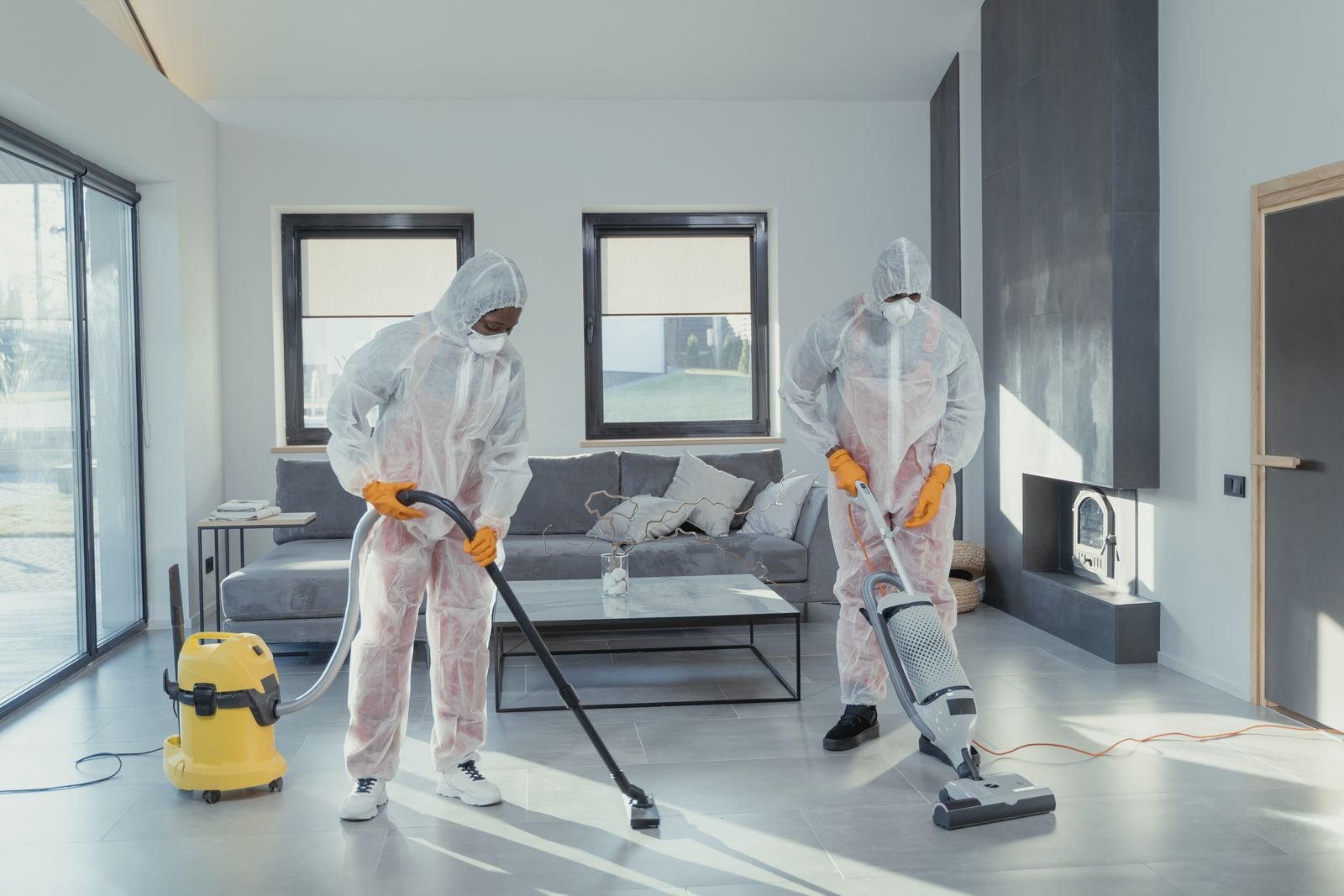
Get Mold Remediation Near Lake Olympia Parkway — Free Estimate
Mold in a lake-adjacent or corridor home along Lake Olympia Parkway? This is one of the most flood-affected parts of Missouri City, and we still find Harvey-era mold hiding in wall cavities and subfloors here. We trace the moisture, contain the area under IICRC S520 protocol, remove the mold, dry the structure, and verify the air. Serving the Lake Olympia Parkway corridor in 77459 with a free estimate.
The Mold We Remediate in Lake-Adjacent and Corridor Homes
Lake Olympia Parkway runs through one of the most flood-exposed communities in Missouri City, and that history defines the mold we find here. The most common — and most overlooked — is post-Harvey residual mold. A great many homes around the lake took on water in 2017 and were dried with household box fans and a shop vac, which pulls the visible water out but almost never dries the inside of a wall cavity or the subfloor fast enough to beat the mold window. Years later, that shows up as a musty smell that won't quit and a colony living behind the drywall and under the floor — the hidden mold our water-damage mold remediation exists to find.
The setting keeps the pressure on. These are lakefront and low-lying homes on ground with a high water table and slower drainage, so moisture works at the foundation and the lowest assemblies. On the pier-and-beam and crawl-space homes, ground dampness and poor airflow let mold colonize the floor joists and subfloor, and the stack effect pulls that musty air up into the living space. Above that, the standard Gulf Coast pair shows up too: attic mold from humidity and roof leaks, and master-bath mold from under-ventilated showers, plus the occasional post-leak wall cavity. Whatever the source, we isolate the work area with 6-mil polyethylene sheeting and run negative air so spores can't spread, and we never disturb a dark, possibly black-mold patch without containment. It's the same source-first mold remediation Missouri City method — focused on the lake-adjacent and corridor homes the parkway connects rather than the wider Lake Olympia neighborhood.
What Happens When We Come to the Lake Olympia Parkway Area
The IICRC S520 sequence, in order — built for post-flood and lake-adjacent homes.
- Inspect and find the source. We map the affected area with moisture meters and thermal imaging and trace it to the post-flood cavity, the crawl-space damp, the drainage moisture, or the attic or bath driving it — on these homes the source is often hidden, so this step matters most.
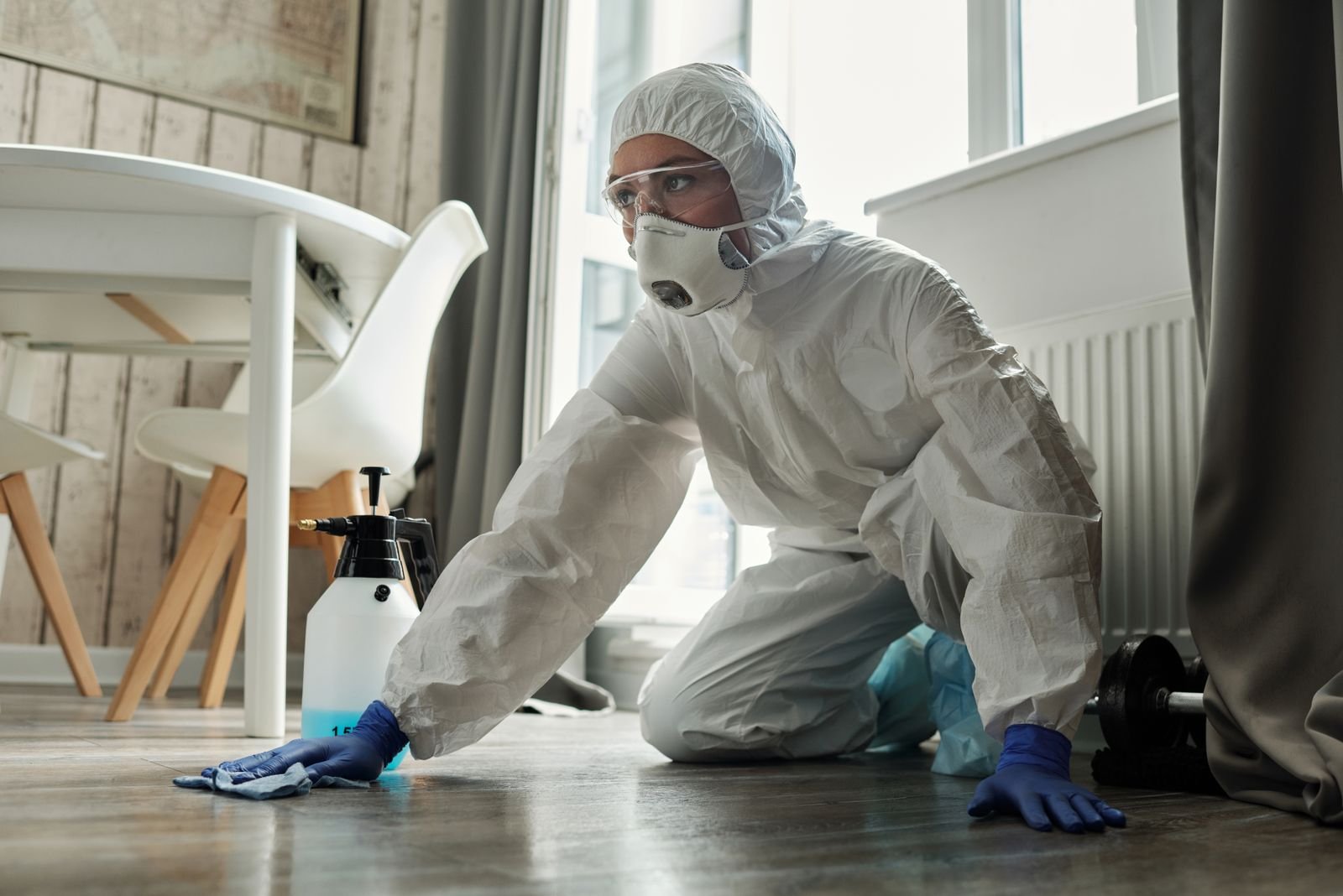
- Contain the work zone. We seal the area with 6-mil poly sheeting and run a negative-air machine at -5 to -10 pascals, with HEPA filtration capturing 99.97% of particles at 0.3 microns, so spores stay inside the containment and out of the rest of the house.
- Remove the contaminated material. Colonized porous material — drywall, insulation, subfloor, carpet pad — is cut out and bagged inside the containment. Non-porous framing and joists are cleaned in place where they're sound.
- HEPA-clean and treat. Surfaces are HEPA-vacuumed and wiped with an antimicrobial, and the air is scrubbed before anything reopens.
- Dry the structure. We dry the framing, subfloor, and remaining materials back to a normal moisture content and target an indoor RH of 30–50% — critical on low-lying, high-water-table homes where dampness lingers.
- Verify and clear. On a job over 25 square feet, an independent TDLR Mold Assessment Consultant confirms the indoor spore levels match or beat the outdoor baseline before the containment comes down, documented for your records or insurer.
Mold Remediation Cost Near Lake Olympia Parkway — and Your Free Estimate
Most homeowners want a number first. Along the Lake Olympia Parkway corridor, mold remediation typically runs about $10 to $30 per square foot, and most local residential jobs land between roughly $1,500 and $6,000. A contained bath ceiling is at the low end; post-flood mold spread through wall cavities and a subfloor, or black mold, sits higher because of the added removal, drying, and containment. A standalone inspection, where one is needed, runs about $300 to $1,075. Price tracks the job, which is why we scope it free before quoting:
- How much area is affected — a contained ceiling is very different from mold through cavities and subfloor.
- Which materials are involved — porous drywall, insulation, and subfloor come out; sound non-porous framing is cleaned.
- How deep the drying goes — low-lying, high-water-table homes need more drying to hold a normal moisture level.
Why Homes Along Lake Olympia Parkway Get Mold
The climate sets the baseline. Missouri City and the wider Fort Bend area run roughly 74% ambient relative humidity for much of the year, so mold here is a standing risk that any moisture event can trigger. Once water intrudes, mold growth begins within 24 to 48 hours, and holding indoor relative humidity in the 30 to 50% range is what slows it; above 60%, conditions favor growth. That alone keeps every Missouri City home on watch.
Around Lake Olympia, three additional factors stack on top. First, the lakefront and low-lying terrain with a high water table means moisture sits at the foundation and the lowest assemblies, and slower drainage keeps the ground damp longer after rain. Second, the 2017 flooding hit this area hard, and homes dried with household equipment commonly retain residual moisture — and live mold — in wall cavities and subfloor that was never fully addressed. Third, mature, shaded landscaping holds humidity against the structure. None of this is a verdict on any one house, but it's why a home along the parkway has a thinner margin than most: the water table, the flood legacy, and the humidity all push the same direction. Fix the moisture and dry deeply and mold stays out; leave residual dampness in a cavity here and it persists. That's why every remediation we do on this corridor begins at the source and dries to a verified normal moisture level.
Lake Olympia Areas the Parkway Connects
We cover the Lake Olympia Parkway corridor in 77459 — the parkway frontage and the lake-adjacent subdivisions the road connects around Lake Olympia. For the broader neighborhood beyond the corridor, see our Lake Olympia page, and for orientation on the parkway itself, the Lake Olympia Parkway anchor.
Confirm Coverage — Call NowFrequently Asked Questions
Common questions from Lake Olympia homeowners — answered straight.
Mold in Your Lake Olympia Home? Let's Fix It Right.
Contained, IICRC S520 remediation for lake-adjacent and post-flood homes — we find the hidden source, remove the mold, dry it deep, and verify the air. Free estimate, no pressure.
(713) 325-6192Get Mold Remediation Near Lake Olympia Parkway.
Fast, contained work for lake-adjacent and post-flood homes — with a free phone estimate and clearance documentation. Talk to a certified specialist now.
(713) 325-6192Call for a Free Estimate