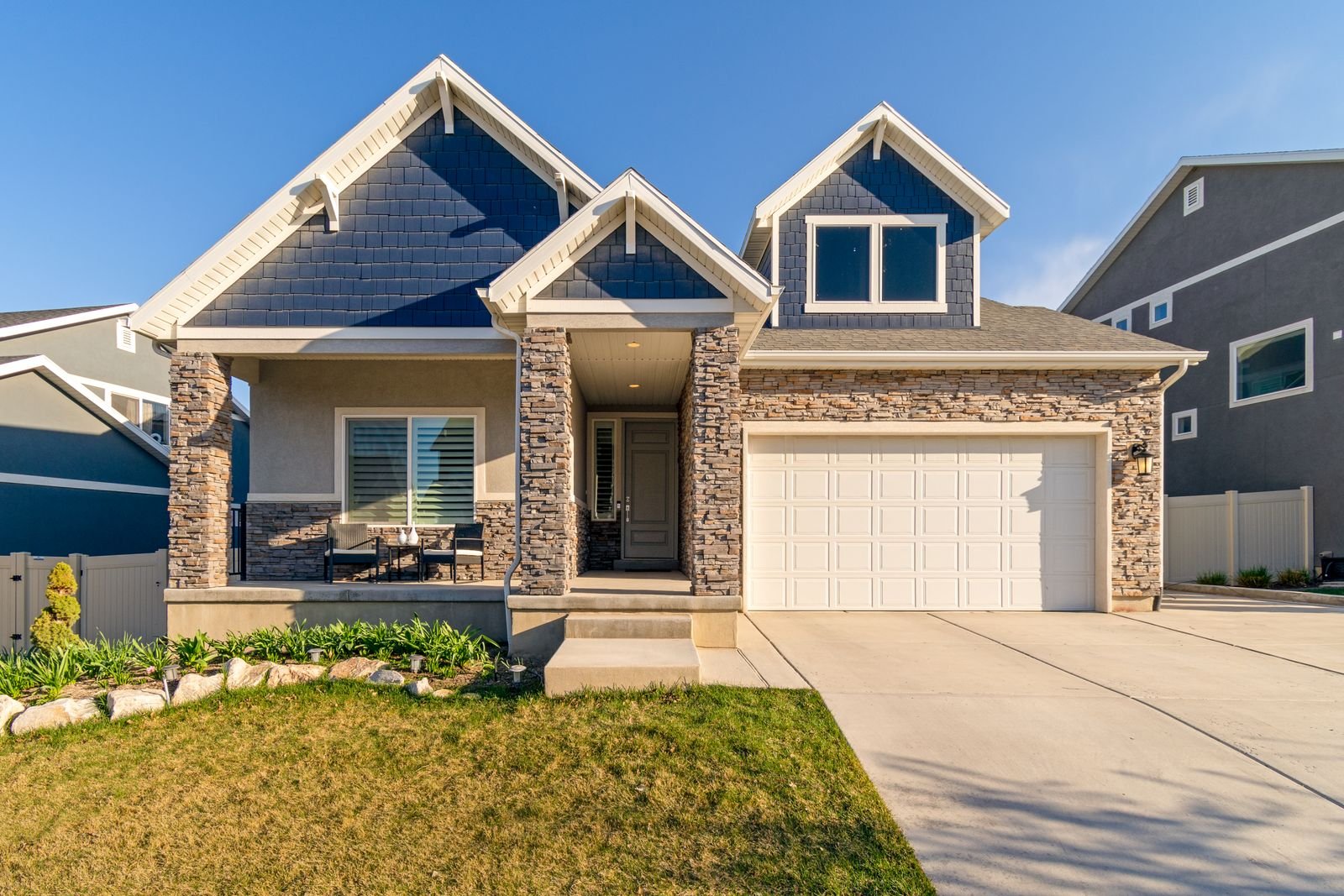
Mold Remediation in Briargate, Missouri City — Where AC Condensation Feeds Hidden Mold
Briargate is an established 77489 neighborhood, and a lot of the mold here traces back to the cooling system — condensation around the air handler, ductwork, and registers, plus humid baths and attics. We find the moisture, contain the area, remove the source, HEPA-clean, and verify to the IICRC S520 standard — not a spray-and-paint-over. Free phone estimate for every Briargate home.
Local Mold Remediation for the Briargate Neighborhood in 77489
Briargate is an established residential neighborhood in the 77489 ZIP of Missouri City — a settled community of single-family homes that have been running air conditioning hard through Gulf Coast summers for a long time. That last detail matters more than most people realize. In a climate this humid, the cooling system itself becomes a moisture source: cold ductwork and air-handler surfaces sweat, registers drip, and condensation collects in places that stay dark and undisturbed. The result is mold that grows around the HVAC system, behind registers, and in the cavities the ducts run through. We're a service-area mold remediation company that comes to you anywhere in Briargate, and this page explains why mold behaves the way it does here and exactly what we cover.
If you've noticed musty air every time the AC kicks on, dark specks around a supply register, or a damp smell near the air handler closet, you may be looking at condensation-fed mold rather than a roof or plumbing leak. Pinpointing that source is the first step before anyone cuts into anything. When you're ready to scope the job and get a price, our transactional mold remediation in Briargate page is built for exactly that — but first, here's what's really going on around the cooling system.
Cooling-System Condensation and 74% Humidity Drive Mold in Briargate
Mold in Briargate is a moisture problem, and the moisture often comes from the one thing keeping the house comfortable: the air conditioning. Missouri City and Fort Bend County average around 74% outdoor relative humidity for much of the year. When that warm, moist air meets the cold surfaces of an air handler, a supply plenum, or an under-insulated duct, water condenses out of it — and condensation in a dark, still cavity is exactly what mold needs. Add humid baths and hot attics into the mix, and you have the three places mold reliably starts in a Briargate home.
Ducts and Air Handlers Sweat
Cold supply ducts and air-handler surfaces condense moisture out of humid air. When that water lands on dust, drywall, or insulation, mold colonizes the cavity around the system.
Clogged Drain Lines Overflow
An AC condensate line that clogs lets the drain pan overflow, soaking the platform, drywall, or ceiling below the air handler and seeding mold quietly.
Indoor Humidity Is the Lever
Mold growth begins 24 to 48 hours after moisture isn't dried. Holding indoor relative humidity at 30–50% — which a healthy AC system should do — is what stops it from returning.
HVAC, Bathroom, and Attic Mold — the Jobs We See Most
Because the cooling system is such a common moisture driver here, a lot of the mold remediation work in Briargate centers on the HVAC system. The pattern is consistent: condensation around the air handler, on under-insulated ductwork, or behind supply registers wets the surrounding drywall, dust, and insulation, and mold takes hold in the cavity. A clogged condensate drain line is the other frequent culprit — when the pan overflows, it soaks the platform and ceiling below the unit. We confirm where the moisture is actually coming from, contain the area so spores can't ride the air system into the rest of the house, remove the colonized porous materials, HEPA-clean the affected surfaces, and dry the cavity back to a normal moisture content. Importantly, we address the condensation or drainage cause so the same spot doesn't regrow the next cooling season.
Master bathrooms and attics round out the picture in a Briargate home. A poorly ventilated bath that holds its steam keeps the walls damp, and a hot, under-ventilated attic lets condensation form on the roof decking — both classic humidity-mold sites in this climate. We treat each the same way we treat the HVAC mold: find the moisture driver, fix it, remove what's colonized, and verify the air before closing up. The order never changes — moisture first, mold second. When you want a firm scope and a number for your specific home, head to our mold remediation in Briargate money page, or call to talk it through.
Serving Every Street in Briargate Across 77489
We're a service-area business, so we don't operate from a storefront you visit — we come to your home. That model fits Briargate well, because the neighborhood sits within the broader 77489 ZIP, and we cover all of it. Whether your house is on a quiet interior street deep in Briargate or closer to the through-roads that connect it to the rest of Missouri City, you're inside our coverage, with no extra trip charge for being on one side of the neighborhood or the other. Established homes across this part of 77489 share the same cooling-season mold risk, and we approach each one the same way.
Briargate sits among several established 77489 neighborhoods that share its housing stock and its humidity-driven mold patterns, and we work across all of them with the same source-first method. If you're unsure whether your exact street is covered, a quick phone call is the fastest answer — though it almost certainly is. You can also see the full footprint on our all service areas page, or step up to the mold remediation in Missouri City hub to see how Briargate fits into the wider 77459 and 77489 service map. Every neighborhood gets the same IICRC S520 process; the only thing that changes is which part of the house the moisture started in.
How a Briargate Mold Job Actually Runs
Six steps, in the right order, so the mold is gone and stays gone.
- Inspect and find the source. We map the affected area with moisture meters and thermal imaging and trace it to the condensation, clogged drain line, bath humidity, or attic moisture that's driving it — because nothing else matters if the water keeps coming.
- Contain the work area. We seal the space with 6-mil polyethylene sheeting and run a negative-air machine at roughly −5 to −10 pascals so spores flow into the containment, not out through the air system. HEPA filtration captures 99.97% of particles down to 0.3 microns.
- Remove and HEPA-clean. Colonized porous materials — drywall, insulation, and the like — are removed and bagged. Surfaces are HEPA-vacuumed and wiped with an antimicrobial, and the air is scrubbed.
- Dry the structure. The framing, cavity, and remaining materials around the system are dried back to a normal moisture content with commercial equipment, because leftover dampness invites the colony right back.
- Verify and clear. On a job of any size, independent clearance testing confirms indoor spore levels match or fall below the outdoor baseline before the containment comes down.
A TDLR-Licensed Contractor With Independent Clearance Built In
In Texas, mold work is regulated by the Texas Department of Licensing and Regulation. A Mold Remediation Contractor (MRC) performs the remediation, and for any project larger than 25 square feet a separate Mold Assessment Consultant (MAC) handles the assessment and the final clearance. That separation protects you — the company doing the work shouldn't grade its own homework on a large job. We work within that framework on every Briargate home, coordinate with accredited labs for third-party clearance, and provide the documentation your insurer or a future buyer will ask for. Every job starts with a free phone estimate, and there's no charge to talk through what you're seeing around your air handler, bath, or attic before you commit to anything.
Briargate Mold Questions, Answered
A few common questions from Briargate homeowners — answered straight.
Mold in Your Briargate Home? Let's Fix It Right.
Certified, IICRC S520 remediation with a free estimate and clearance documentation — built for the HVAC and condensation mold this neighborhood sees most. Talk to a specialist now.
(713) 325-6192Call for a Free Estimate